Best Roofing Materials for Long-Term Weather and Heat Resistance
Reading time: 14 minutes
Your roof is doing something remarkable right now — it’s silently absorbing UV radiation, shedding rain, resisting wind, and regulating the temperature inside your home. Most homeowners don’t think about this until a leak appears or an energy bill skyrockets. But here’s the truth: the roofing material you choose today will determine your comfort, costs, and stress levels for the next 20 to 50 years.
In 2026, with summer temperatures reaching record highs across North America, Europe, and Asia — and with climate volatility rewriting the rules for building durability — choosing the right roofing material isn’t just a home improvement decision. It’s a long-term investment strategy. Whether you’re replacing an aging roof, building new, or simply planning ahead, this guide will give you the clarity, data, and practical insight you need to make a smart, weather-ready choice.
Table of Contents
- Why Roofing Material Choice Matters More Than Ever
- The Top Roofing Materials for Weather and Heat Resistance
- Head-to-Head Comparison: Key Metrics
- Understanding Heat Resistance: Cool Roofs and Solar Reflectance
- Common Weather Challenges and How Materials Handle Them
- Performance Visualization: Durability Ratings
- Real-World Case Studies
- Frequently Asked Questions
- Your Roof, Your Roadmap: Next Steps
Why Roofing Material Choice Matters More Than Ever
In 2025, the National Oceanic and Atmospheric Administration (NOAA) reported that North America experienced its hottest average summer on record, with 14 major weather events causing over $1 billion in damage each. Hailstorms, hurricanes, wildfires, and extended heat waves are no longer rare anomalies — they’re the new baseline. Meanwhile, the U.S. Department of Energy estimated that poorly chosen or aging roofing contributes to up to 25% of residential heating and cooling energy loss.
Think about that for a moment. A quarter of your climate control spending may be escaping through your roof. This isn’t just about aesthetics or upfront cost — it’s about systemic performance over decades. The good news? Modern roofing science has produced materials that can genuinely meet these challenges head-on.
Here’s the straight talk: there’s no single “best” roofing material for every situation. The ideal choice depends on your climate zone, structural load capacity, budget, aesthetic preferences, and how long you plan to stay in the property. What this guide will do is give you a clear, honest framework to identify which material aligns best with your specific situation.
The Top Roofing Materials for Weather and Heat Resistance
1. Metal Roofing (Steel, Aluminum, Copper)
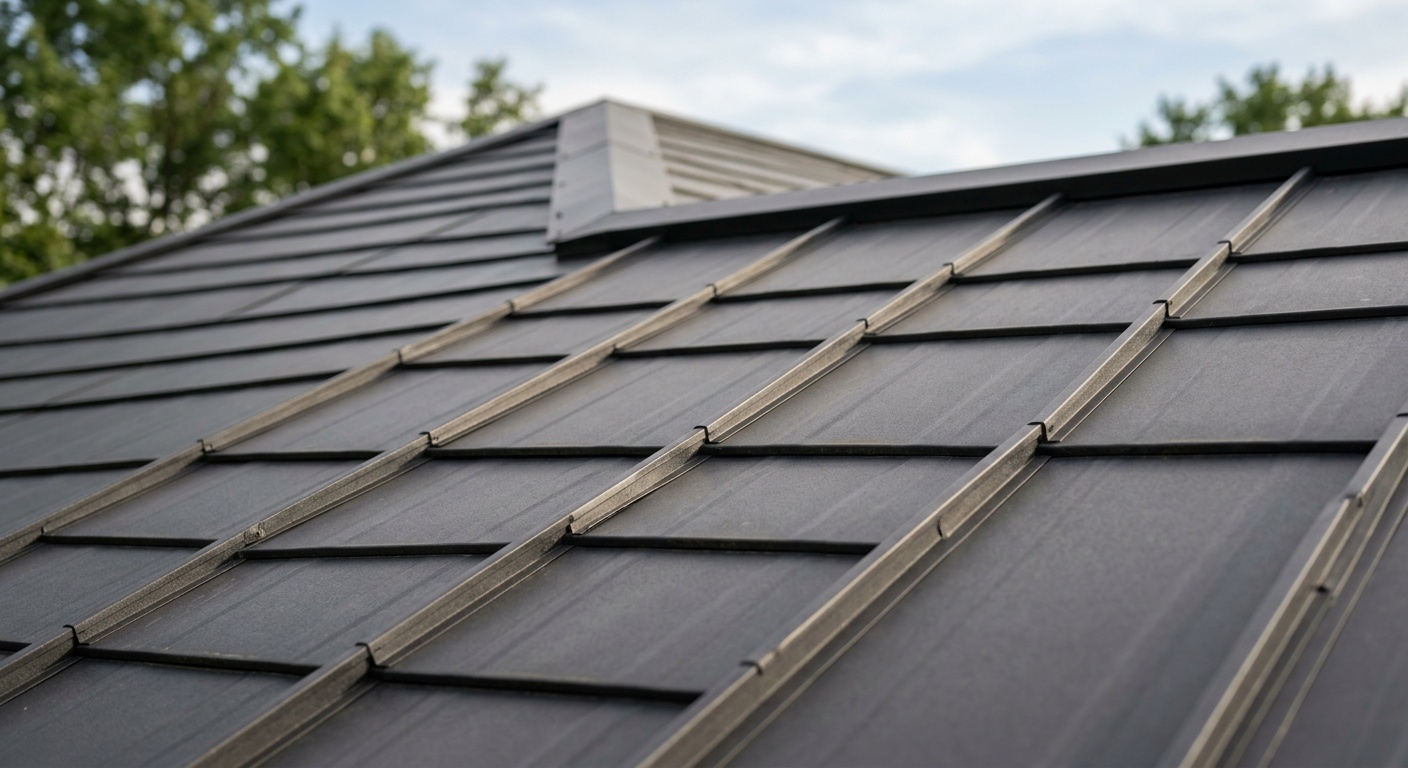
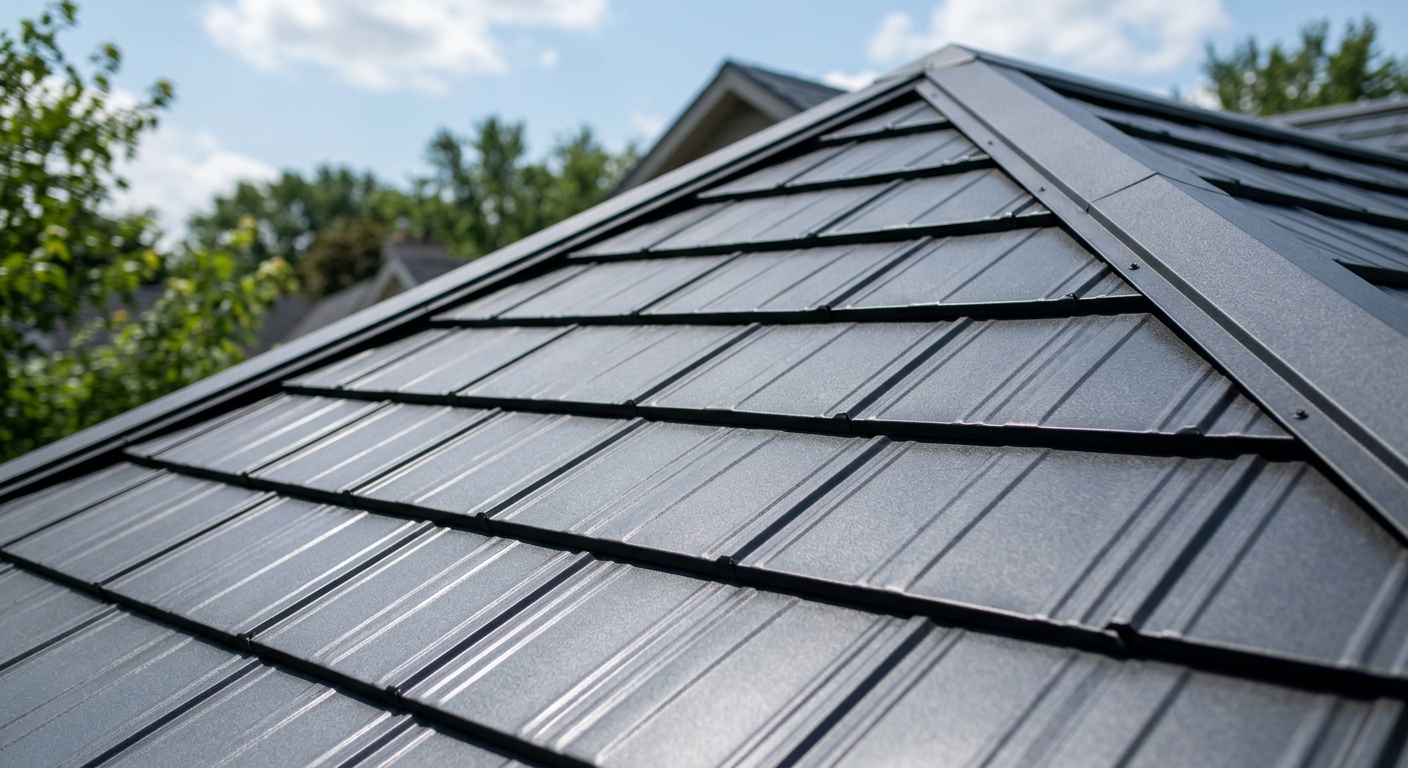
Metal roofing has arguably become the gold standard for weather resistance in 2026, and for good reason. Standing seam metal roofs can withstand wind speeds of up to 140 mph, making them an increasingly popular choice in hurricane-prone regions like Florida, the Gulf Coast, and coastal areas of Southeast Asia. They’re also non-combustible, giving them a Class A fire rating — critical in wildfire-risk zones across the American West and Southern Europe.
From a heat resistance standpoint, metal roofs with reflective coatings can reflect 70% or more of solar radiation, significantly reducing cooling loads. Aluminum, in particular, has a natural high reflectivity and resists corrosion in coastal environments where salt air would degrade other materials rapidly.
Key advantages:
- Lifespan of 40–70 years with minimal maintenance
- Excellent in high-wind and heavy-snow environments
- 100% recyclable at end of life
- Compatible with solar panel installation
- Available in a wide range of styles, including profiles that mimic tile or shingles
Honest limitations: Upfront cost is 2–3x higher than asphalt shingles. Without proper insulation, metal roofs can be noisy during heavy rain. Oil-canning (a subtle waviness in the panels) is a cosmetic issue some homeowners find unappealing.
2. Concrete and Clay Tile
Walk through any neighborhood in Arizona, Southern California, Spain, or the Mediterranean, and you’ll see tile roofs dominating. There’s a reason for this — clay and concrete tiles have been performing reliably for centuries, and modern engineering has made them even more capable. Clay tiles can last 50–100 years. Concrete tiles typically last 30–50 years.
The inherent thermal mass of tile roofing is one of its biggest heat-resistance advantages. Tiles absorb heat during the day and release it slowly at night, buffering indoor temperature swings. Many manufacturers now offer tiles with reflective pigments that boost solar reflectance index (SRI) values significantly. According to the Cool Roof Rating Council (CRRC), high-SRI concrete tiles can reduce roof surface temperatures by up to 50°F (28°C) compared to standard dark asphalt shingles.
Key advantages:
- Outstanding longevity and storm resistance
- Natural thermal mass reduces cooling needs
- Excellent fire resistance (Class A rating)
- Aesthetically timeless, adds property value
Honest limitations: Heavy — structural reinforcement may be required (concrete tile can weigh 9–12 lbs per square foot). More expensive to install than asphalt. Brittle under direct impact (hail); individual tiles may crack and require replacement.
3. Asphalt Shingles (Architectural and Impact-Resistant)
Asphalt shingles remain the most widely installed roofing material in North America as of 2026, covering approximately 75% of residential roofs in the United States. Their continued dominance comes down to cost, availability, and ease of installation. However, not all asphalt shingles are created equal.
Standard 3-tab shingles have a modest lifespan of 15–20 years. Architectural (dimensional) shingles step it up significantly, offering 25–30 years of service and improved wind resistance (up to 110 mph for premium products). The real game-changer has been the rise of Class 4 impact-resistant shingles, which can withstand hailstones up to 2 inches in diameter and have earned insurance discounts of 10–30% in many states.
For heat resistance, “cool roof” asphalt shingles with reflective granules are now widely available, offering an Energy Star rating and meaningfully reducing attic temperatures. They won’t match the reflectivity of metal or tile, but they’re a solid middle-ground option.
Key advantages:
- Lowest upfront cost of all durable materials
- Widely available and easy to repair
- Impact-resistant variants offer real protection
- Many qualify for Energy Star and insurance incentives
Honest limitations: Shorter lifespan means more frequent replacement cycles. Petroleum-based manufacturing has a higher carbon footprint. Performance in extreme heat climates is lower than tile or metal.
4. Slate Roofing
If durability were the only consideration, slate would win every time. Natural slate roofs can last 75–150 years or more, with historic buildings in Europe still sporting original slate from the 18th century. Slate is non-combustible, resistant to mold and algae, and requires virtually no maintenance beyond occasional inspection.
From a weather resistance standpoint, slate handles freeze-thaw cycles exceptionally well, making it ideal for cold climates in New England, the UK, and Scandinavia. However, its density (heaviest of all roofing materials at 14–18 lbs per square foot) and cost (premium installation can exceed $30–$50 per square foot in 2026) make it inaccessible for most residential projects.
Synthetic slate — made from recycled rubber or plastic composites — has emerged as a compelling alternative, offering similar aesthetics at roughly 30–50% lower cost and weight, with lifespans of 40–50 years.
5. TPO and Modified Bitumen (Flat/Low-Slope Roofs)
Not every roof has a steep pitch. Commercial buildings, modern architectural homes, and additions frequently feature flat or low-slope designs that require specialized materials. TPO (Thermoplastic Polyolefin) membrane roofing has become the leading choice in this category, valued for its white reflective surface (which can reflect up to 80% of solar radiation), chemical resistance, and relatively low cost.
Modified bitumen, updated with APP or SBS polymer modifiers, offers excellent flexibility in cold temperatures and good heat resistance. In 2026, many commercial building owners are pairing TPO roofs with green roof systems or rooftop solar, making the roof a multi-functional asset rather than just a weather barrier.
Head-to-Head Comparison: Key Metrics
| Material | Lifespan | Heat Resistance | Wind Rating | Cost (per sq ft installed) | Maintenance Level |
|---|---|---|---|---|---|
| Metal (Standing Seam) | 40–70 yrs | ⭐⭐⭐⭐⭐ | Up to 140 mph | $10–$18 | Very Low |
| Clay/Concrete Tile | 50–100 yrs | ⭐⭐⭐⭐⭐ | Up to 125 mph | $9–$20 | Low |
| Architectural Asphalt | 25–30 yrs | ⭐⭐⭐ | Up to 110 mph | $4–$8 | Moderate |
| Natural Slate | 75–150 yrs | ⭐⭐⭐⭐ | Up to 110 mph | $25–$50 | Very Low |
| TPO (Flat Roof) | 20–30 yrs | ⭐⭐⭐⭐ | Variable | $5–$10 | Moderate |
Understanding Heat Resistance: Cool Roofs and Solar Reflectance
Here’s a concept that doesn’t get nearly enough attention in mainstream home improvement conversations: Solar Reflectance Index (SRI). SRI measures a material’s ability to reject solar heat, on a scale from 0 (absorbs all heat) to 100+ (reflects all heat). Standard dark asphalt shingles score around 5–20 on the SRI scale. A white TPO membrane can score 100+. This difference translates directly into attic temperatures — and subsequently, your air conditioning bill.
“A roof with a high SRI value can reduce peak cooling demand by 10–15%, and in hot climates, that translates to measurable utility savings within the first year.” — Dr. Sarah Kimberley, Building Envelope Research, Lawrence Berkeley National Laboratory, 2025
The concept of “cool roofs” has moved from niche to mainstream. In 2026, California’s Title 24 energy code mandates minimum SRI values for low-slope roofing in new construction, and similar regulations are spreading to Texas, Arizona, and several EU member states. If you’re replacing a roof in a hot climate, choosing a material and color combination that meets or exceeds cool roof standards isn’t just environmentally responsible — it’s increasingly legally required.
Practical Cool Roof Options by Material
- Metal: Kynar-coated panels in light colors achieve SRI values of 75–120
- Tile: White or light-pigmented concrete tiles reach SRI 50–90
- Asphalt: Cool-roof granule shingles achieve SRI 20–40
- TPO: White membranes routinely exceed SRI 100
Pro Tip: Don’t just look at color. A light tan metal roof with a quality Kynar coating will outperform a medium-grey tile in reflectivity. Always ask for the CRRC-rated SRI value from your contractor or manufacturer before committing.
Common Weather Challenges and How Materials Handle Them
Challenge 1: Hail Damage
Hailstorms caused over $22 billion in insured property losses in the United States in 2025, according to Insurance Information Institute data. If you live in the “Hail Belt” — stretching from Texas through Nebraska and into the Dakotas — or in regions of Colorado and Wyoming, hail resistance should be your primary selection criterion.
The UL 2218 Impact Resistance standard rates materials from Class 1 (lightest) to Class 4 (heaviest). Class 4 impact-resistant asphalt shingles, metal roofing, and concrete tile perform best in this category. Many insurers in high-hail-risk states now offer premium discounts of 15–30% for Class 4 roofing — enough to pay back the material upgrade cost over time.
Challenge 2: High Winds and Hurricanes
Wind uplift is one of the most destructive forces a roof faces. The critical factor isn’t just the material — it’s the attachment method. A clay tile roof with inadequate mortar setting will fail in a hurricane before a properly fastened metal panel. That said, material matters significantly:
- Standing seam metal with concealed fasteners performs best in high-wind scenarios
- Concrete tile with proper mortar and mechanical fastening is proven in hurricane zones
- Hip roof designs (no gable ends) reduce wind uplift by 30–40% regardless of material
Challenge 3: Extreme Heat and UV Degradation
In desert climates like Phoenix, Las Vegas, and parts of Australia, UV radiation and sustained heat are the primary aging forces. Standard asphalt shingles can lose granules, warp, and crack within 10–15 years in these conditions. Metal roofing with quality coatings, clay tile, and concrete tile all handle this environment significantly better. Look specifically for materials rated for ASTM D3161 Class F wind and UV resistance.
Performance Visualization: Durability and Weather Resistance Ratings
The chart below compares five major roofing materials on a composite durability and weather resistance score (out of 100), based on aggregated performance data from 2026 industry reports.
Composite Durability & Weather Resistance Score (Out of 100)
Source: Composite analysis of CRRC, UL, and IBHS performance data, 2026. Scores incorporate heat resistance, wind rating, hail resistance, longevity, and maintenance demands.
Real-World Case Studies
Case Study 1: Phoenix Homeowner Cuts Cooling Bills by 22%
In 2025, a Phoenix, Arizona homeowner replaced a 17-year-old standard asphalt shingle roof with a standing seam metal roof featuring a Kynar 500 coating in “desert sand” — a light tan with an SRI of 82. Before replacement, summer electricity bills averaged $340/month. In the summer of 2025, post-installation, the average dropped to $265/month — a 22% reduction. The homeowner also received a 15% premium discount from their insurer due to the roof’s Class A fire rating and Class 4 wind resistance, saving an additional $420 annually. Total payback period on the upgrade premium: estimated 11 years, with 30+ years of service remaining.
Case Study 2: Gulf Coast Builder Standardizes on Concrete Tile
A residential development company constructing 120 homes in the Tampa Bay area made a strategic decision in early 2025 to standardize on interlocking concrete tile with mechanical fasteners rather than the architectural asphalt shingles they had used previously. Their decision was driven by Hurricane Milton’s 2024 aftermath data, which showed that tile-roofed homes in their target market suffered 40% less insurance-claim roof damage than asphalt-shingle homes in comparable wind events. The per-unit cost increase of approximately $8,500 was more than offset by lower warranty claims and a strong marketing advantage — buyers in hurricane-prone markets increasingly ask about roofing materials before making offers.
Case Study 3: Vermont Historic Home — Synthetic Slate as a Practical Solution
A century-old farmhouse in rural Vermont needed a full roof replacement in 2026. The original slate was at the end of its life, but the structure’s framing couldn’t support the weight of new natural slate without expensive reinforcement. The owner chose a Class 4 impact-resistant synthetic slate product made from recycled rubber and plastic composite. At 5.5 lbs per square foot (versus 15 lbs for natural slate), it required no structural work. The product carries a 50-year limited warranty, achieved a UL Class 4 impact rating, and aesthetically matched the original slate character the owner wanted to preserve. Total installed cost: $28,000 — compared to an estimated $85,000 for natural slate with structural reinforcement.
Frequently Asked Questions
What is the single best roofing material for hot, sunny climates?
For hot, sunny climates like the American Southwest, the Middle East, or Mediterranean regions, standing seam metal roofing with a reflective coating or clay tile consistently outperforms other options. Metal roofing with a high-SRI Kynar coating offers the best solar reflectance and longevity, while clay tile provides superior thermal mass to moderate indoor temperature swings. If budget is a constraint, cool-roof architectural asphalt shingles with Energy Star certification offer a meaningful improvement over standard shingles at a more accessible price point.
How much does it cost to upgrade from asphalt shingles to metal roofing in 2026?
In 2026, the national average installed cost for architectural asphalt shingles in the United States ranges from $4–$8 per square foot, while standing seam metal ranges from $10–$18 per square foot. For a typical 2,000 square foot roof, this translates to roughly $8,000–$16,000 for asphalt versus $20,000–$36,000 for metal. The premium sounds significant, but when you factor in that metal roofs typically last 2–3x longer, require far less maintenance, and can generate insurance savings and energy bill reductions, the lifetime cost comparison often favors metal by a significant margin over a 40-year period.
Does the color of my roof really affect energy efficiency?
Absolutely, and significantly. Roof color is one of the most impactful variables in a building’s thermal performance. A dark charcoal asphalt shingle roof can reach surface temperatures of 160–190°F (71–88°C) on a hot summer day, superheating the attic beneath. A light-colored metal or tile roof in the same conditions might peak at 100–120°F (38–49°C). This 50–70°F surface temperature difference directly reduces the heat load transferred into living spaces. The key nuance: color matters most when paired with adequate attic insulation and ventilation. Even the best cool roof performs sub-optimally without a properly ventilated attic system underneath it.
Your Roof, Your Roadmap: Next Steps
Here’s your actionable framework for making the right roofing decision — one that will serve you confidently for decades to come.
- Assess your climate zone first. Before evaluating materials, identify your primary weather risks — heat, wind, hail, freeze-thaw cycles. FEMA’s flood maps and the IBHS (Insurance Institute for Business & Home Safety) climate risk portal are free tools available in 2026 that can give you precise local data.
- Request CRRC-rated SRI values for any material you’re considering. Don’t accept vague claims of “energy efficiency.” Ask your contractor for the specific SRI number and compare it against cool roof benchmarks for your region.
- Calculate the lifetime cost, not just the upfront cost. A material that costs twice as much but lasts three times longer and reduces insurance premiums is the financially superior choice. Run the numbers over a 30-year horizon before deciding.
- Check local building codes and incentives. In 2026, many states and municipalities offer tax credits or rebates for cool roof installations, Energy Star-rated materials, or Class 4 impact resistance. These incentives can meaningfully reduce the net cost of premium materials.
- Vet your contractor as carefully as your material. The finest metal panel or clay tile system installed poorly will fail prematurely. Look for contractors certified by the manufacturer, with verifiable local references and documented experience with your chosen system.
As climate volatility reshapes the risk landscape for homeowners globally, the roofing decisions made in 2026 will reverberate through property values, insurance markets, and energy consumption for decades. The shift toward durable, high-performance roofing isn’t a trend — it’s an accelerating structural change in how we think about the buildings we live and work in.
Here’s the question worth sitting with: If your current roof failed tomorrow — in a hailstorm, a heat wave, or a hurricane — would you simply replace it with what you have now, or would you use that moment to make a smarter, more future-ready choice? The materials, the data, and the guidance to make that upgrade confidently are all available to you right now. The only variable left is the decision itself.