How to Choose the Right Roof Ventilation System for Your Home
Reading time: 12 minutes
Your attic is silently waging a war against your home — and most homeowners don’t even know it’s happening. Moisture builds up, heat traps, shingles deteriorate prematurely, and energy bills climb quietly month after month. The culprit? Poor roof ventilation. The fix? Knowing exactly which system fits your home, your climate, and your budget.
Whether you’re building new in 2026 or retrofitting an older property, choosing the right roof ventilation system is one of the highest-leverage decisions you can make for long-term home health. Let’s cut through the noise and give you a clear, practical roadmap for making the right call.
Table of Contents
- Why Roof Ventilation Actually Matters
- Types of Roof Ventilation Systems
- Key Factors to Consider Before Choosing
- Side-by-Side System Comparison
- Common Challenges and How to Overcome Them
- Real-World Case Studies
- Ventilation Performance by Climate Zone
- Frequently Asked Questions
- Your Ventilation Action Plan: Next Steps
Why Roof Ventilation Actually Matters
Here’s a scenario worth sitting with: Imagine you’ve just had a brand-new roof installed — beautiful architectural shingles, top-tier underlayment, the works. Two years later, you notice warping. Your roofer comes out and delivers the news: inadequate attic ventilation has caused excessive heat buildup, and your shingles have deteriorated years ahead of schedule. That’s thousands of dollars wasted on a problem that could have been avoided with proper airflow planning.
This isn’t a rare edge case. According to the National Roofing Contractors Association (NRCA), improper ventilation is one of the top five causes of premature roof failure in North America. In 2025, the average cost of a full residential roof replacement climbed to between $9,500 and $22,000 depending on size and material — making prevention far more economical than repair.
Roof ventilation serves three critical functions:
- Heat management: In summer, attic temperatures without proper ventilation can exceed 160°F (71°C), dramatically increasing cooling costs.
- Moisture control: During winter, warm, moist interior air rises into cold attic spaces, condensing on rafters and insulation — leading to mold, rot, and structural damage.
- Energy efficiency: A properly ventilated attic can reduce cooling costs by up to 10–15%, according to the U.S. Department of Energy’s 2025 residential energy report.
Bottom line: roof ventilation isn’t optional. It’s a foundational element of a healthy, energy-efficient home.
Types of Roof Ventilation Systems
There’s no one-size-fits-all solution here. The right system depends on your roof’s design, your climate, and your home’s existing structure. Here’s an accessible breakdown of your primary options in 2026.
Passive Ventilation Systems
Passive systems rely on natural airflow — the physics of hot air rising and cooler air entering from below — with no mechanical components. They’re quiet, maintenance-free, and cost-effective. The trade-off is that they depend on favorable environmental conditions to perform optimally.
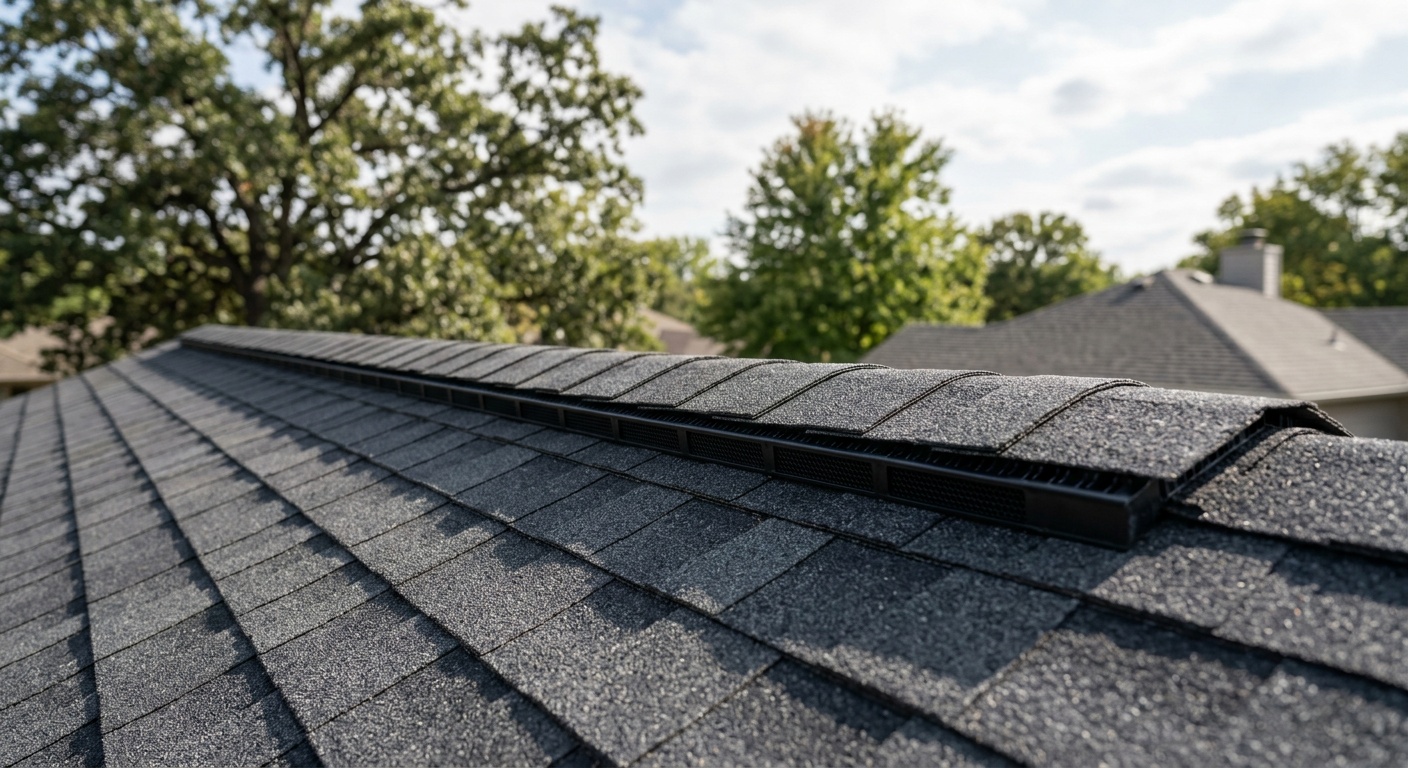
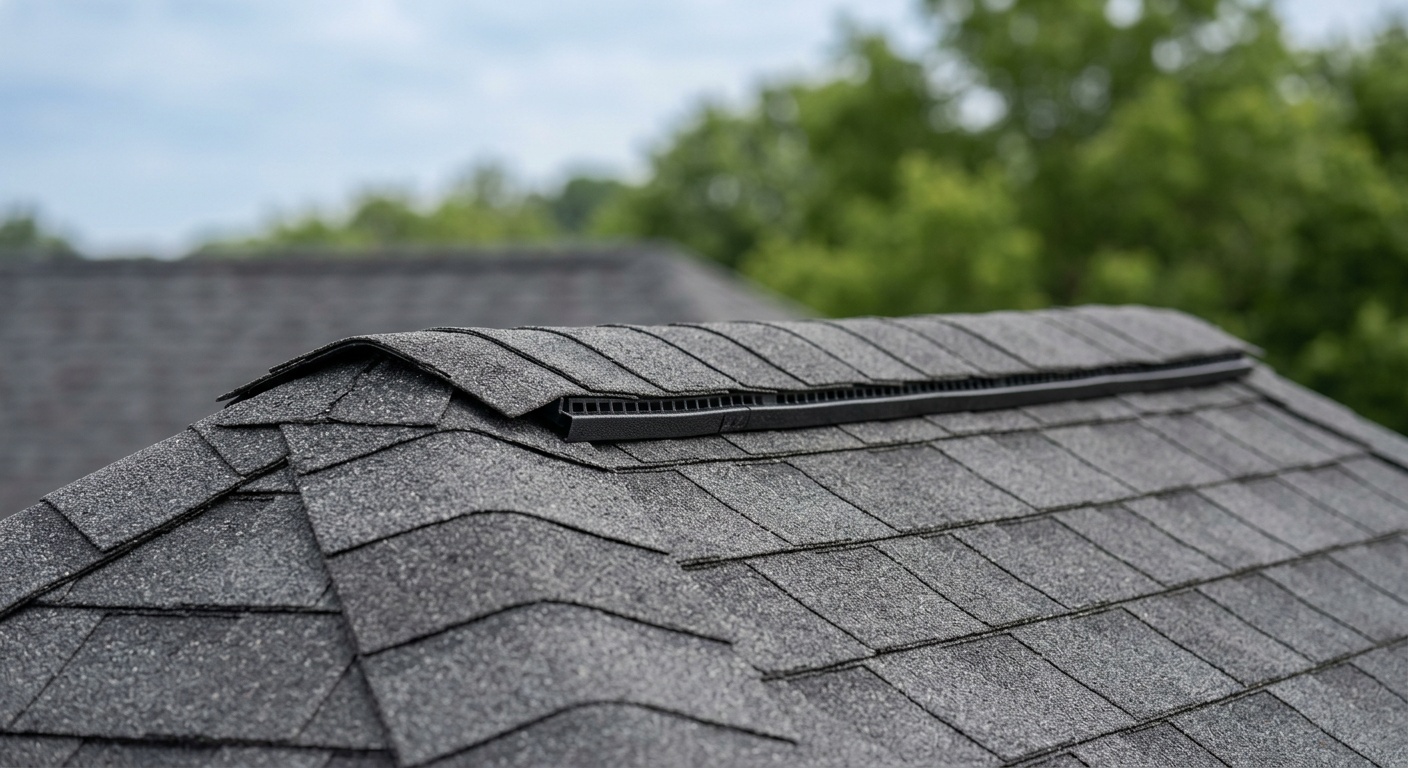
Ridge Vents
Installed along the roof’s peak, ridge vents are the gold standard for many sloped roofs. They allow hot air to escape continuously along the entire ridge line. When paired with soffit vents, they create a balanced intake/exhaust system that works exceptionally well in most climates. Pro tip: Look for ridge vents with an external baffle — they dramatically improve performance in wind-driven rain conditions.
Box Vents (Louver Vents)
These are static vents cut directly into the roof deck and covered with a protective cover. They’re affordable and easy to install, but they require multiple units to adequately ventilate larger attic spaces. Best suited for roofs where ridge vent installation isn’t feasible due to design constraints.
Gable Vents
Positioned in the triangular gable ends of a home, these vents allow cross-ventilation when wind is favorable. However, building scientists have noted that gable vents can actually disrupt the efficiency of a ridge-and-soffit system if all three are used simultaneously. Use them strategically, not as an add-on afterthought.
Soffit Vents
Technically intake rather than exhaust, soffit vents sit under the eave overhang and feed cool outside air into the attic. They work in tandem with exhaust vents above. Without adequate soffit ventilation, even the best ridge vent system will underperform significantly.
Active (Mechanical) Ventilation Systems
When passive systems can’t deliver sufficient airflow — due to complex roof geometry, extremely hot climates, or large attic volumes — active systems step in with mechanical assistance.
Powered Attic Ventilators (PAVs)
These electric-powered fans are mounted on the roof or gable and forcefully exhaust hot attic air. While effective at temperature reduction, they carry a controversial reputation: if not properly balanced with intake ventilation, they can pull conditioned air from living spaces into the attic, actually increasing energy costs. Use them only when intake capacity is well-matched.
Solar-Powered Attic Fans
A popular upgrade in 2026, solar attic fans run entirely on solar energy, adding zero electricity cost. They’re most powerful precisely when you need them most — on hot, sunny days. Brands like QuietCool and Natural Light have introduced new models with smart thermostat integration, allowing homeowners to set activation temperatures via smartphone apps. The average solar fan moves 800–1,500 CFM (cubic feet per minute) and can be installed without an electrician.
Turbine Vents (Whirlybirds)
Wind-powered spinning vents that create a vacuum effect as they rotate. Effective in windy regions, but performance drops significantly on calm days. Modern turbine vents with ball-bearing mechanisms are far quieter than older generations and require minimal maintenance.
Key Factors to Consider Before Choosing
Before you commit to a system, run through this strategic checklist. These factors will narrow your options quickly and save you from expensive mistakes.
Climate Zone and Weather Patterns
Your geographic location shapes everything. In the humid Southeast United States, moisture control is the primary concern — ridge vents with strong soffit intake are typically ideal. In the scorching Southwest, where summer temperatures regularly exceed 115°F, solar-powered attic fans may supplement passive systems effectively. In cold northern climates where ice dams are a real threat, balanced passive ventilation that maintains uniform attic temperatures is critical to preventing ice buildup at eaves.
The 2026 IECC (International Energy Conservation Code) — now adopted by 38 states — mandates a minimum ventilation ratio of 1:150 (1 square foot of vent area per 150 square feet of attic floor space) unless a vapor barrier is installed, in which case 1:300 is permissible. Always check your local code first.
Roof Pitch and Design Complexity
A simple gabled roof with a 6:12 pitch? Ridge vents are your friend. A complex hip roof with multiple valleys and dormers? You’ll likely need a combination approach — possibly box vents or solar fans positioned at strategic high points, with carefully placed soffit intake around all eave perimeters.
Quick calculation tip: Total your attic’s square footage, then divide by 150 (or 300 with a vapor barrier) to determine your minimum required net free area (NFA) of ventilation. Split this evenly between intake and exhaust for optimal balance.
Existing Insulation and Attic Access
Insulation that blocks soffit vents is one of the most common — and easily overlooked — ventilation killers. Before adding any new vents, physically inspect your soffit areas. Install foam baffles (rafter vents) between rafters to maintain an unobstructed channel from soffit to ridge, even if insulation is thick. This simple step costs less than $50 in materials and can dramatically improve the performance of any ventilation system you choose.
Budget and Long-Term ROI
Ventilation investment ranges widely. Here’s a realistic 2026 cost snapshot:
- Ridge vent (per linear foot, installed): $3–$6
- Box vents (each, installed): $75–$150
- Solar attic fan (installed): $350–$750
- Electric powered attic ventilator (installed): $250–$550
- Full ridge-and-soffit system (average home, installed): $800–$2,500
Set against the cost of mold remediation ($2,000–$6,000+), premature shingle replacement ($10,000+), or elevated summer cooling bills ($300–$800/year extra), even a premium ventilation system pays for itself in three to five years in most U.S. climates.
Side-by-Side System Comparison
| Ventilation Type | Avg. Cost (Installed) | Maintenance Level | Best Climate | Energy Impact |
|---|---|---|---|---|
| Ridge + Soffit Vents | $800–$2,500 | Very Low | All Climates | Saves 10–15% cooling |
| Solar Attic Fan | $350–$750 | Low | Hot, Sunny Regions | Saves 8–12% cooling |
| Electric PAV | $250–$550 | Low–Medium | Hot, Humid Climates | Mixed (risk of backdraft) |
| Turbine Vents | $100–$300 | Low–Medium | Windy Regions | Saves 5–8% cooling |
| Box/Louver Vents | $75–$150 each | Very Low | Moderate Climates | Saves 3–7% cooling |
Common Challenges and How to Overcome Them
Challenge 1: Mixing Exhaust Vent Types
This is perhaps the most costly mistake homeowners make — and it’s surprisingly common. Installing both a ridge vent and powered attic fan on the same roof creates competing pressure zones. The powered fan pulls air through the path of least resistance, which is often the ridge vent rather than the soffit vents. The result: short-circuiting, where the fan exhausts air that just entered, and the actual attic space goes under-ventilated.
The fix: Choose one primary exhaust strategy and optimize it. If you want the reliability of a passive system, commit to a proper ridge-and-soffit setup. If you need mechanical assistance, use powered fans with dedicated intake venting, not in combination with other exhaust points. Consult a certified roofing professional (look for NRCA ProCertification holders in 2026) before combining systems.
Challenge 2: Blocked or Insufficient Soffit Vents
You can install the world’s best ridge vent, but if your soffit vents are blocked, the entire system fails. Blown-in insulation is a frequent offender — installers often cover soffit areas without placing baffles first. Additionally, older homes with solid wood soffits may have no intake venting at all.
The fix: Before any exhaust-side work, audit your intake. Use a flashlight and probe in your attic to confirm airflow from soffits. Install AccuVent or equivalent foam baffles in every rafter bay along the eave. If your soffit is solid wood with no vents, consider adding continuous perforated vinyl soffit panels or individual circular plug vents — this is a manageable DIY project that yields enormous returns.
Challenge 3: Ventilation in Finished or Cathedral Ceilings
Homes with finished attic spaces, cathedral ceilings, or flat/low-slope roofs present a unique challenge: there’s no accessible attic cavity to ventilate in the traditional sense. Many homeowners assume ventilation simply isn’t possible — and either do nothing or improperly apply standard solutions.
The fix: For cathedral ceilings, ventilation channels must be built into the roof assembly during construction or renovation — typically 2-inch minimum channels between insulation and roof deck, fed by eave intake and exhausted at the ridge. In existing homes, over-roofing with a ventilated nail base system is an increasingly popular solution in 2026, gaining traction especially in energy-retrofit projects. Consult a building scientist for these complex assemblies — this is not a DIY situation.
Real-World Case Studies
Case Study 1: The Phoenix Retrofit — Solar Fan Success
In early 2025, a homeowner in the Phoenix, Arizona metropolitan area noticed their monthly summer electricity bills averaging $340 — significantly above the regional median for a similar-sized home. An energy audit revealed attic temperatures peaking at 158°F despite existing box vents installed during the original 2008 construction. The box vents provided only 40% of the minimum required NFA for the attic’s 1,800 sq ft floor area.
The solution: a two-phase approach. First, continuous perforated soffit venting was added along all eave runs, tripling intake capacity. Second, two solar-powered attic fans rated at 1,200 CFM each were installed at strategic high points on the south-facing roof. Total project cost: $1,850 installed. By summer 2025, attic temperatures dropped to a maximum of 118°F, and monthly cooling bills fell to an average of $267 — saving $876 annually. Projected payback period: 2.1 years.
Case Study 2: The Minnesota Ice Dam Problem — Passive System Resolution
A 1970s colonial home in the Minneapolis suburbs had suffered recurring ice dams every winter for over a decade. The owners had tried gutters, heating cables, and manual roof raking — spending an average of $1,200 per winter on reactive measures. A building performance contractor identified the root cause in 2024: the attic was too warm, caused by a combination of insufficient insulation (R-19 vs. the recommended R-49 for Climate Zone 6) and completely blocked soffit vents from decades of blown-in cellulose accumulation.
The comprehensive fix included: adding rafter baffles throughout, increasing insulation to R-49 (blown-in fiberglass), adding a continuous ridge vent to replace three aging box vents, and sealing attic bypasses around plumbing stacks and light fixtures. Total cost: $4,200. The winter of 2025–2026 produced zero ice dams for the first time in memory, and heating costs dropped by 18%. The homeowners recovered their investment in two heating seasons.
Ventilation Performance by Climate Zone
The chart below illustrates estimated annual energy savings achieved through optimized roof ventilation across key U.S. climate zones, based on 2025–2026 data from the Building Science Corporation and ENERGY STAR research programs.
Annual Energy Savings from Optimized Roof Ventilation (% of HVAC Costs)
Source: Building Science Corporation / ENERGY STAR Residential Research 2025–2026. Values represent average HVAC cost reduction achieved with optimized intake-exhaust balance vs. baseline.
Frequently Asked Questions
How do I know if my current roof ventilation is inadequate?
There are several telling signs. In summer, if your upper floors feel significantly hotter than lower floors even with air conditioning running, attic heat buildup is the likely cause. In winter, look for frost or condensation on attic rafters, which indicates moisture isn’t escaping. Physically check your soffit vents — push a thin wire through to confirm they’re not blocked by insulation. You can also use an inexpensive infrared thermometer to measure attic temperature on a hot day: if it exceeds ambient outdoor temperature by more than 10–15°F in a well-designed system (passive), or is above 130°F in any system, you likely have a ventilation deficit. A certified energy auditor can perform a blower door test and full attic assessment for around $300–$500 in 2026.
Can I mix passive and active ventilation systems on the same roof?
In most cases, no — and the NRCA strongly advises against mixing exhaust vent types on a single roof. The primary reason is pressure competition: mechanical fans will almost always “short-circuit” by drawing air through nearby passive exhaust vents rather than from soffit intake vents, defeating the purpose of both systems. The one exception is when active ventilation is used in a completely isolated roof section (for example, a detached garage roof vs. the main house roof). If you’re determined to use both, consult a certified roofing professional to conduct a pressure analysis and ensure intake vastly exceeds any exhaust opening near the powered fan.
Do solar attic fans work in cloudy or northern climates?
This is a common concern, and the honest answer is: it depends on your priorities. Solar attic fans are most effective in sunny climates with 200+ sunny days per year, which is why they dominate in the Southwest and Southeast. However, modern 2026 solar fans — many featuring high-efficiency monocrystalline panels — can generate meaningful output even on overcast days, though at reduced capacity. In northern climates like Minnesota, Vermont, or the Pacific Northwest, solar fans may still provide value in spring and fall, when solar availability and ventilation need coincide. That said, for primarily cold or cloudy climates, a well-balanced passive ridge-and-soffit system typically offers more reliable year-round performance and better total ROI without the mechanical complexity.
Your Roof Ventilation Action Plan: Next Steps
You now have a clearer picture than most homeowners ever get on this topic. The challenge of roof ventilation is that it’s invisible — until something goes wrong. But with what you’ve read here, you can act before problems emerge. Here’s your practical roadmap forward:
- Step 1 — Audit your attic this week. Grab a flashlight, check your soffit vents for blockages, measure your attic floor area, and calculate your minimum required NFA using the 1:150 rule. This takes 30 minutes and costs nothing.
- Step 2 — Identify your climate zone at energystar.gov and review the energy savings benchmarks for your region. This frames what’s realistically achievable with an upgraded system.
- Step 3 — Decide on passive vs. active first. If your roof geometry supports a ridge vent (most sloped roofs do), start there. It’s the most universally effective, lowest-maintenance solution available.
- Step 4 — Get at least two quotes from licensed roofing contractors who hold current NRCA ProCertification or equivalent state credentials. Ask each contractor specifically about intake-to-exhaust balance — any contractor who can’t address that clearly isn’t the right choice.
- Step 5 — Check for rebates and incentives. Many utility companies in 2026 offer rebates for solar attic fan installation, and the federal residential energy credit (26% as of 2026 for qualifying solar installations) may apply to solar-powered fans. Don’t leave money on the table.
Roof ventilation sits at the intersection of two of the most significant trends reshaping homeownership in 2026: rising energy costs and climate-driven weather extremes. Getting this right isn’t just about protecting your roof — it’s about future-proofing your entire home’s performance in an increasingly demanding environment.
Here’s the question worth sitting with: How much are you currently spending on problems that a properly ventilated roof could prevent — and what would you do with those savings instead?