How Poor Attic Ventilation Drives Up Your Cooling Bills
Reading time: 12 minutes
It’s July 2026. Your thermostat is set to 74°F, your air conditioner is running almost non-stop, and your electricity bill just arrived — with numbers that made you wince. Sound familiar? Before you blame the heat wave or the utility company, there’s a strong chance the real culprit is hiding directly above your head: your attic.
Most homeowners never think twice about what’s happening up there. But poor attic ventilation is one of the single biggest hidden drivers of skyrocketing cooling costs — quietly working against your HVAC system every single day. The good news? Once you understand the problem, solving it is more straightforward than you might expect.
In this guide, we’ll walk through exactly how attic ventilation failures translate into real dollars on your energy bill, what the warning signs look like, and what you can do about it right now.
Table of Contents
- The Science: Why Your Attic Becomes a Heat Trap
- The Financial Impact: What Poor Ventilation Actually Costs You
- Warning Signs Your Attic Ventilation Is Failing
- Real-World Case Studies: Homes That Fixed the Problem
- Practical Solutions: How to Improve Attic Ventilation
- Ventilation Methods: A Side-by-Side Comparison
- Frequently Asked Questions
- Your Cooling Cost Action Plan: Next Steps
The Science: Why Your Attic Becomes a Heat Trap
Think of your attic as a massive thermal battery. On a hot summer day, solar radiation pounds your roof with enormous energy. Without proper airflow, that energy has nowhere to go — so it accumulates. By midafternoon on a 95°F day, an inadequately ventilated attic can reach internal temperatures of 150°F to 160°F. That’s not a typo. Your attic can get as hot as a sauna cranked to maximum.
Here’s where the physics gets expensive. That superheated attic air radiates heat downward through your ceiling insulation into your living spaces. Your air conditioner, sensing the rising indoor temperature, kicks on — and stays on. This is called thermal transfer, and it’s responsible for a significant chunk of your summer energy costs.
The Stack Effect and Air Movement Basics
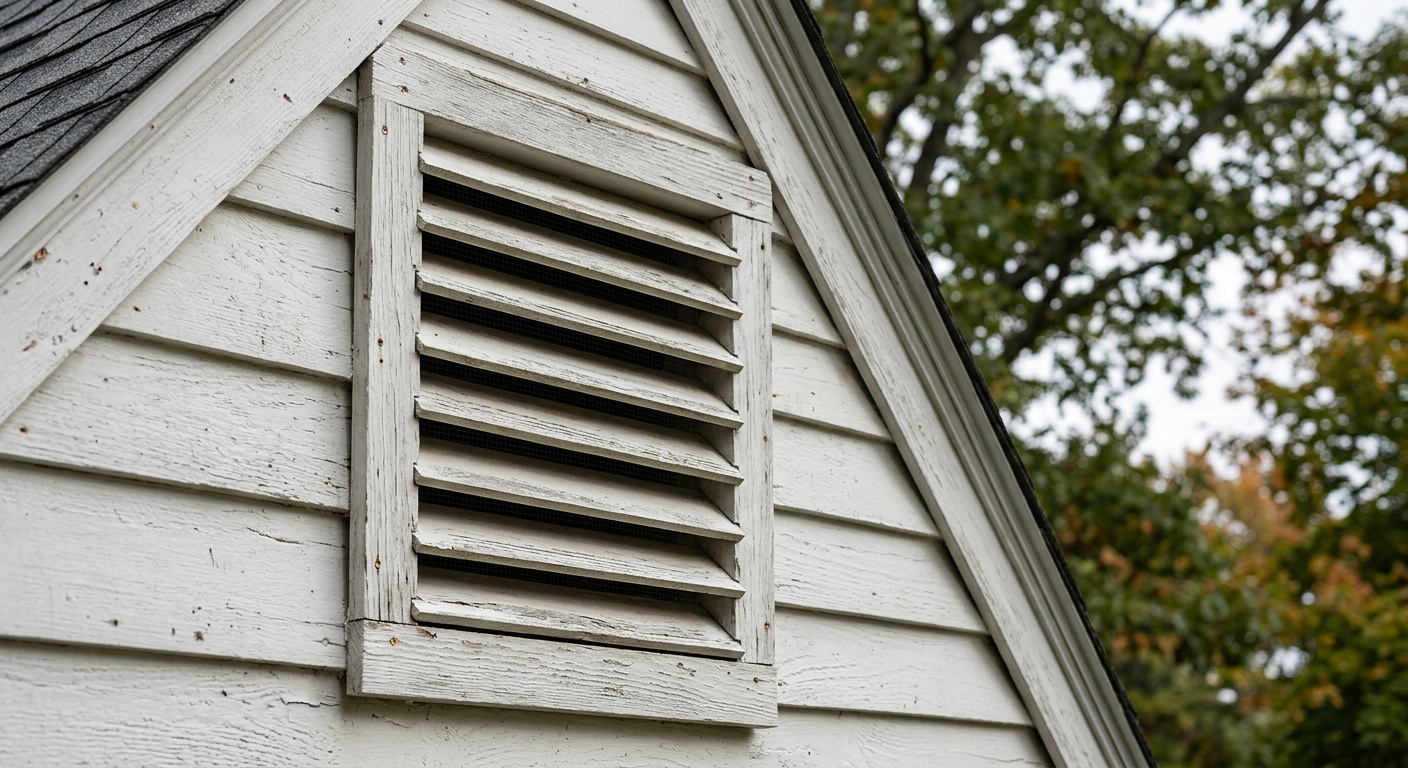
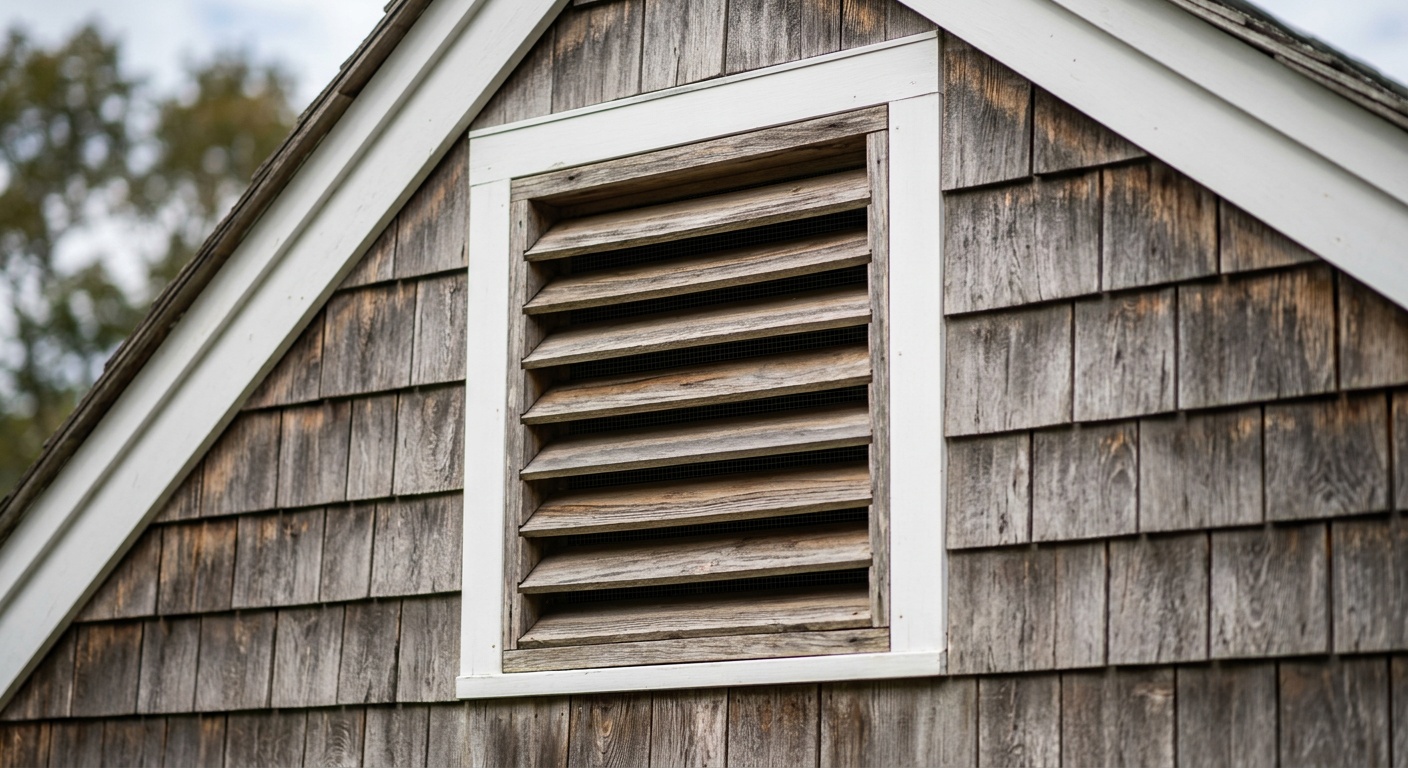
Proper attic ventilation works on a simple principle: cool air enters low (through soffit vents at the eaves), travels upward as it heats, and exits high (through ridge vents or gable vents at the peak). This continuous air movement prevents heat from building up to dangerous levels. When this airflow cycle is broken — through blocked vents, inadequate vent area, or poor vent placement — the system fails entirely.
The U.S. Department of Energy’s 2025 residential energy report noted that homes with inadequate attic ventilation use, on average, 15% to 25% more cooling energy during peak summer months compared to properly ventilated equivalents. In practical terms, if you’re spending $250 a month on cooling in July, that’s potentially $37 to $62 of pure waste — every single month.
How Insulation Interacts with Ventilation
Many homeowners believe that more insulation is always the answer. While insulation is critical, it works in partnership with ventilation — not as a replacement for it. Insulation slows heat transfer, but if your attic is 155°F, even R-38 insulation is working overtime and eventually losing the battle. Think of insulation as a dam and ventilation as a spillway: you need both, or the system fails under pressure.
Additionally, improper insulation installation can block soffit vents, which is one of the most common ventilation failures in American homes. When blown-in insulation is added without baffles to protect airflow channels at the eaves, it acts like a plug — stopping the cool intake air from entering the system entirely.
The Financial Impact: What Poor Ventilation Actually Costs You
Let’s put real numbers on this. According to 2026 Energy Information Administration data, the average U.S. residential electricity rate sits at approximately $0.17 per kilowatt-hour, with peak-demand periods in many Southern and Southwestern states pushing above $0.22/kWh. The average American household spends roughly $600 to $900 per year on air conditioning alone.
When attic ventilation is compromised, your HVAC system doesn’t just run longer — it runs harder. Compressors operate under greater strain, cooling coils work against higher thermal loads, and the equipment ages faster. HVAC technicians in 2026 report that premature compressor failures — often linked to excessive thermal loads from poor attic conditions — can cost homeowners $1,200 to $2,800 in unexpected repair bills.
Estimated annual cooling waste from poor attic ventilation in a 2,000 sq ft home in a hot climate zone:
- Extra energy consumed: 400–600 kWh per cooling season
- Extra cost at $0.17/kWh: $68–$102 per year
- Accelerated HVAC wear (prorated): $150–$300 per year
- Potential roof damage from heat/moisture: $200–$500 per year (prorated)
- Total estimated annual cost: $418–$902
These numbers assume a moderate case. In high-heat states like Texas, Arizona, or Florida — where homes may run air conditioning for six or more months — the financial damage climbs significantly higher.
Warning Signs Your Attic Ventilation Is Failing
How do you know if your attic is the problem? The signs are often hiding in plain sight once you know what to look for. Here’s your diagnostic checklist:
- Unusually high cooling bills: If your bills have crept up year over year without a clear explanation, thermal load from the attic is a prime suspect.
- Hot ceilings or upper floors: Touch your ceiling on a hot afternoon. If it feels noticeably warm, heat is radiating downward from an overheated attic.
- Ice dams in winter: While this seems like a winter issue, ice dams are caused by the same ventilation failures that create summer heat problems. Inconsistent attic temperature is the root cause of both.
- Premature shingle aging or curling: Excessive attic heat degrades roofing materials from the underside. If your 20-year shingles are failing at year 12, look at ventilation.
- Moisture, mold, or musty odors in the attic: Poor ventilation traps moisture as well as heat. Visible mold on rafters or sheathing is a serious warning sign.
- HVAC system running constantly: If your system rarely cycles off on moderate days, it’s battling against a persistent heat source — possibly your attic.
Pro Tip: On a hot afternoon, use an infrared thermometer to measure the temperature of your upper-floor ceiling. A reading more than 5°F above room air temperature is a strong indicator of heat transfer from above.
Real-World Case Studies: Homes That Fixed the Problem
Case Study 1: The Phoenix Ranch Home
A homeowner in Phoenix, Arizona reached out to a local energy auditor in the spring of 2025 after their cooling bills averaged $380/month during the previous summer — nearly 40% higher than their neighbors with similar-sized homes. An inspection revealed that the existing ridge vent had been partially blocked during a re-roofing job in 2021, and the soffit vents were approximately 60% blocked by insulation. The effective ventilation area was less than a third of what the home required.
After clearing soffit blockages, installing proper baffles, and replacing the damaged ridge vent system, the homeowner’s following summer bills averaged $241/month — a saving of $139 per month or nearly $835 over the cooling season. Total project cost: approximately $1,100. The investment paid for itself in under 14 months.
Case Study 2: The Atlanta Townhouse
A two-story townhouse in Atlanta had an attic with gable vents only — no ridge ventilation and no soffit intake. During an energy audit in early 2026, infrared imaging showed the entire upper floor was thermally compromised. The attic temperature at 3 PM on a 91°F day measured 147°F.
The solution involved installing continuous soffit vents along both sides of the eaves and adding a ridge vent system. An attic fan was also included as supplemental support. Result: attic temperature dropped to a measured 104°F under the same conditions — a 43°F reduction. The homeowner reported an immediate improvement in upper-floor comfort and a 19% reduction in their first full summer cooling bill.
Practical Solutions: How to Improve Attic Ventilation
Ready to tackle the problem? Here’s a structured approach that works whether you’re in a 1,200 sq ft starter home or a 3,500 sq ft colonial.
Step 1: Calculate Your Required Net Free Area (NFA)
Building codes (and basic physics) require a minimum of 1 square foot of net free ventilation area per 150 square feet of attic floor space — or 1:300 if you have a proper vapor barrier. For a 1,500 sq ft attic, that means at least 10 square feet of NFA, split evenly between intake (soffit) and exhaust (ridge or gable). Most homes fall significantly short of this standard.
Step 2: Clear and Expand Intake Vents
Start at the bottom. Soffit vents are the foundation of a balanced ventilation system. Inspect yours from inside the attic with a flashlight. Install rafter baffles (also called ventilation baffles or chutes) between every rafter bay to maintain a clear airflow channel from soffit to attic, even after adding insulation.
Step 3: Optimize Exhaust Ventilation
Ridge vents are the gold standard for exhaust ventilation because they run the entire length of the peak and create consistent, low-profile airflow. If a full ridge vent isn’t feasible, high-mounted gable vents or powered attic ventilators can supplement exhaust capacity. However, be cautious with powered attic fans: if your attic isn’t properly sealed from the living space below, they can actually pull conditioned air up from your home, wasting the energy you’re trying to save.
Step 4: Consider Radiant Barriers
A radiant barrier is a reflective material (typically aluminum foil) installed on the underside of your roof rafters. Rather than absorbing solar heat and radiating it into the attic, it reflects up to 97% of radiant heat back toward the roof. Florida Solar Energy Center studies through 2025 showed that radiant barriers reduce attic temperatures by an average of 20°F to 30°F in hot climates, with cooling energy savings of 5% to 10% for whole-house systems.
For homeowners in particularly hot climates who are also exploring air conditioner alternatives for supplemental room cooling, pairing a radiant barrier with improved ventilation can dramatically reduce the thermal load that any cooling device needs to overcome.
Step 5: Seal Air Leaks Between Attic and Living Space
This step is often overlooked, but it’s critical. Gaps around light fixtures, HVAC ducts, plumbing penetrations, and attic hatches allow superheated attic air to infiltrate your living space directly — bypassing your insulation entirely. Use fire-rated spray foam or caulk to seal every penetration you can find. This single step can sometimes be more impactful than adding additional insulation.
Ventilation Methods: A Side-by-Side Comparison
| Ventilation Method | Avg. Cost (Installed) | Heat Reduction | Maintenance | Best For |
|---|---|---|---|---|
| Ridge Vent (passive) | $300–$600 | High (15–25°F) | Minimal | Most home types |
| Soffit + Baffle System | $200–$500 | Medium (10–15°F) | Low | All climates (intake foundation) |
| Powered Attic Fan | $400–$900 | High (20–30°F) | Moderate | Large attics, low wind areas |
| Radiant Barrier | $500–$1,500 | Very High (20–30°F) | None | Hot, sunny climates |
| Solar-Powered Attic Fan | $600–$1,200 | High (20–25°F) | Low | Sun-rich climates, eco-conscious |
Energy Savings by Ventilation Strategy
Estimated Annual Cooling Cost Reduction (2,000 sq ft home, hot climate zone)
*Estimates based on 2026 EIA average residential electricity rates. Results vary by climate zone, home construction, and existing conditions.
Frequently Asked Questions
How do I know how much ventilation my attic actually needs?
The standard building code formula is simple: divide your total attic floor area (in square feet) by 150. The result is the minimum net free area (NFA) of ventilation required, expressed in square feet. For example, a 2,000 sq ft attic needs approximately 13.3 square feet of NFA — split roughly 50/50 between intake (soffit) and exhaust (ridge). If you have a vapor barrier on the floor, you can use 1:300 instead, requiring half as much. Your local building department or a certified energy auditor can verify your specific requirements and measure your current effective NFA.
Can I improve attic ventilation myself, or do I need a contractor?
Several steps are well within DIY reach for a reasonably handy homeowner: installing rafter baffles, clearing soffit vents, sealing air leaks with spray foam, and even installing a powered attic fan with a thermostat. However, installing ridge vents or soffit vents that require cutting into the roof or fascia should generally be handled by a licensed roofer or contractor — improper installation can create water intrusion problems that cost far more to fix than the original ventilation issue. If you’re unsure about your current setup, hiring an energy auditor for a $150–$400 assessment is money very well spent before committing to larger projects.
Will improving attic ventilation also help in winter, or is it only a summer benefit?
Absolutely — the benefits are year-round. In winter, proper attic ventilation serves a completely different but equally important purpose: it keeps the attic cold. That might sound counterintuitive, but a cold attic prevents the freeze-thaw cycles that cause ice dams along your eaves. Ice dams form when heat escaping from a poorly ventilated attic melts snow on the roof, which then refreezes at the cold eaves. The resulting ice buildup can force water under shingles and cause serious interior damage. Additionally, a well-ventilated attic stays drier in winter, preventing moisture accumulation that leads to mold on wooden rafters and sheathing — a problem that is both a health concern and a structural one.
Your Cooling Cost Action Plan: Next Steps
Here’s the straight talk: your attic is either working with your cooling system or against it. There’s very little middle ground once summer temperatures climb. The encouraging reality is that most attic ventilation problems are fixable, the improvements pay for themselves, and the process doesn’t have to happen all at once.
Here’s your immediate action roadmap:
- This week — Inspect what you have: Grab a flashlight and visit your attic on a hot afternoon. Check for blocked soffit vents, inadequate baffles, visible mold, and measure the approximate temperature if possible. This free diagnostic tells you exactly where you stand.
- Within the month — Seal air leaks: Address gaps around light fixtures, plumbing penetrations, and your attic hatch. This is typically a DIY-friendly weekend project with immediate payback — often the highest ROI improvement you can make.
- This season — Upgrade intake ventilation: If soffit vents are blocked or insufficient, address them before the next heat peak. Install rafter baffles if needed. Proper intake is the foundation of everything else.
- Plan for next year — Evaluate exhaust and barrier options: Get quotes for ridge venting or a radiant barrier installation. Use this summer’s energy bills as your baseline to measure improvement after the work is done.
- Ongoing — Monitor annually: Make a habit of inspecting your attic each spring. Pests, settling insulation, and storm damage can quietly undo your improvements over time.
As energy costs continue rising into 2027 and climate patterns push summer temperatures higher across more of the country, attic performance is evolving from a comfort issue into a genuine financial resilience strategy. Homes with optimized thermal envelopes will increasingly have a measurable advantage — in monthly operating costs, in HVAC longevity, and in overall market value.
Here’s the question worth sitting with: If your attic is adding $500 or more to your annual cooling costs right now, how many more summers are you willing to pay for a problem that a well-planned weekend project could largely solve? The ceiling above you is either an invisible tax or a strategic asset. The choice, genuinely, is yours.