Signs Your Attic Ventilation System Needs Immediate Attention
Reading time: 12 minutes
Picture this: It’s a sweltering July afternoon in 2026, and your energy bills have quietly crept up by 30% over the past two summers. You’ve upgraded your appliances, sealed your windows, and even installed a smart thermostat — but the bills keep climbing. Meanwhile, upstairs, your attic is silently cooking at temperatures that can exceed 160°F, slowly destroying your roof deck, suffocating your insulation, and sending moisture-laden air seeping into your living spaces. Sound familiar?
Here’s the straight talk: Most homeowners don’t think about attic ventilation until something goes seriously wrong — and by then, the damage can run into thousands of dollars. According to the National Roofing Contractors Association (NRCA), improper attic ventilation contributes to an estimated $1.2 billion in premature roof failures annually across U.S. homes. In 2026, with extreme weather events becoming more frequent and energy costs reaching record highs in many regions, understanding the warning signs of a failing ventilation system isn’t just smart homeownership — it’s essential financial protection.
This guide cuts through the noise and gives you the precise, actionable knowledge you need to recognize trouble before it becomes a catastrophe.
Table of Contents
- Why Attic Ventilation Matters More Than Ever in 2026
- The Critical Warning Signs You Should Never Ignore
- How Poor Ventilation Causes Seasonal Damage
- Real-World Case Studies: What Went Wrong
- Ventilation Problem Comparison: Symptoms vs. Consequences
- Homeowner Damage Cost Breakdown
- Practical Solutions and What to Do Next
- Frequently Asked Questions
- Your Attic Health Action Plan
Why Attic Ventilation Matters More Than Ever in 2026
Attic ventilation is one of those home systems that operates invisibly — you never see it working, and you rarely notice it until it fails. Yet it performs a deceptively critical function: it regulates the temperature and moisture levels in the space between your living area and your roof. When it works correctly, outside air enters through soffit vents at the eaves, flows upward naturally, and exits through ridge vents or gable vents at the peak. This continuous airflow keeps your attic within 10–15°F of outdoor temperatures in summer and prevents moisture accumulation in winter.
In 2026, this system faces greater challenges than ever before. A combination of factors has elevated the stakes significantly:
- Record-breaking summer temperatures — The National Oceanic and Atmospheric Administration (NOAA) confirmed that 2025 was the second-hottest year on record globally, with the trend continuing into 2026. Hotter outdoor temperatures translate directly into more extreme attic heat buildup when ventilation is inadequate.
- Increased energy costs — Residential electricity prices in the U.S. averaged 17.3 cents per kilowatt-hour in early 2026, according to the U.S. Energy Information Administration, meaning a poorly ventilated attic radically inflates your cooling costs.
- Tighter home envelopes — Modern energy-efficient building practices seal homes more effectively than ever, which is great for insulation but can inadvertently starve attic spaces of the natural airflow they need.
- Aging housing stock — A significant portion of American homes were built between 1950 and 1990, meaning millions of attic ventilation systems are now 35–75 years old and operating well beyond their designed lifespan.
Pro Tip: The 1:150 rule (and its more modern 1:300 variant with balanced intake/exhaust) from building codes means your attic needs one square foot of net free ventilation area for every 150–300 square feet of attic floor space. If your home was built before 1980, there’s a strong chance it falls short of even the older standard.
The Critical Warning Signs You Should Never Ignore
Knowing what to look for is half the battle. These warning signs range from subtle clues you might catch during a casual inspection to unmistakable red flags that demand immediate professional attention.
Physical Signs Inside the Attic
The most reliable diagnostic tool you have is your own eyes — and nose. If you haven’t visited your attic in the last 12 months, you may be in for a revealing (and potentially alarming) experience.
- Frost or ice on the underside of the roof deck in winter. This is one of the most telling signs of inadequate ventilation. Warm, moist air from your living spaces rises into the attic and condenses on the cold wood when there isn’t sufficient airflow to carry it out. In cold climates across the Northern U.S. and Canada, this phenomenon — sometimes called “attic sweating” — can lead to visible frost buildup and, upon thaw, significant moisture damage.
- Dark staining or black streaks on rafters and sheathing. These are the calling cards of mold and mildew. According to the EPA, mold can begin growing on wood surfaces within 24–48 hours of moisture exposure. Dark staining often indicates a chronic, long-term moisture problem that has been developing for months or years.
- Wet, matted, or compressed insulation. Insulation soaked with moisture loses its R-value rapidly. Fiberglass batts, for example, can lose up to 40% of their insulating effectiveness when wet. If your attic insulation looks discolored, flattened, or clumped, moisture infiltration from poor ventilation is a primary suspect.
- Rust on metal components. Rusted nail heads, metal strapping, or HVAC components inside an attic are clear indicators of persistent high humidity — a direct consequence of trapped moisture with nowhere to escape.
- A musty or “earthy” odor. Trust your nose. A persistent musty smell in your attic — or even drifting down into upper-floor rooms — is a biological alarm bell indicating active mold or mildew growth.
Warning Signs Visible From Outside the Home
You don’t always need to climb into your attic to spot trouble. Several external clues can alert you to ventilation problems before you ever crack open that attic hatch.
- Ice dams along the roofline in winter. Ice dams form when heat escaping through a poorly ventilated attic warms the middle section of your roof, melting snow that then refreezes at the colder eaves. The resulting ice buildup can force water under shingles and cause serious interior leaks. In 2025–2026, homeowners in the Great Lakes region reported a 22% increase in ice dam-related insurance claims compared to the prior five-year average.
- Shingles that appear wavy, cupped, or prematurely aged. Excessive attic heat literally bakes your shingles from below, causing them to warp and lose granules far earlier than their rated lifespan. A 30-year architectural shingle on a poorly ventilated roof may fail in 15–18 years.
- Blocked or missing soffit vents. Walk around your home’s eaves and look up. If the soffit vents appear painted over, blocked by insulation pushed against them from inside, or simply absent, your attic has no effective air intake — making any exhaust ventilation at the ridge essentially useless.
- Sagging or stained roofline. In severe cases of long-term moisture damage, the roof deck itself begins to soften and sag. This is a structural emergency and requires immediate professional assessment.
Interior Home Symptoms That Point Back to the Attic
Many homeowners never connect the dots between their attic ventilation problems and symptoms they observe inside their living spaces. Here are the often-overlooked interior indicators:
- Skyrocketing summer cooling costs. An attic reaching 150–160°F acts as a giant radiator above your living space. Your air conditioning must work dramatically harder to compensate, often adding 10–15% to annual cooling energy costs, according to the Department of Energy’s 2025 residential energy report.
- Uneven temperatures between floors. If your second floor is consistently 8–10°F warmer than your first floor despite a functioning HVAC system, radiant heat transfer from an overheated attic is almost certainly the culprit.
- Peeling paint on upper-floor ceilings. Moisture migrating downward from a humidity-saturated attic can cause paint to bubble, crack, and peel on the ceilings of rooms directly below. Many homeowners repaint repeatedly without ever addressing the root cause.
- Ceiling water stains that appear and disappear. Intermittent staining — particularly in winter — often traces back to ice dam water infiltration or attic condensation dripping onto the ceiling below, rather than a simple roof leak.
How Poor Ventilation Causes Seasonal Damage
One of the trickiest aspects of attic ventilation problems is that they cause damage year-round — just through different mechanisms. Understanding the seasonal pattern helps you know when to be most vigilant.
Summer (June–September): Heat is the primary enemy. Without adequate exhaust ventilation, solar energy absorbed by your dark roof shingles turns your attic into an oven. This radiant heat attacks your roof deck, prematurely ages shingles, degrades roof underlayment, and dramatically increases your cooling load. Thermal mapping studies conducted on homes in Phoenix, Dallas, and Atlanta in 2025 found that attics with inadequate ventilation averaged 47°F hotter than those with properly balanced systems.
Autumn (October–November): As temperatures fluctuate, condensation cycles begin. Warm days and cold nights create the ideal conditions for moisture to form on cooler attic surfaces, especially if warm indoor air is leaking into the attic space through ceiling penetrations.
Winter (December–February): Moisture is now the primary threat. Cold attic surfaces cause water vapor to condense and freeze. Ice dams can form. Mold can develop on wet wood. Insulation becomes saturated and ineffective. This is the season when long-term ventilation neglect often reveals itself most dramatically.
Spring (March–May): The “damage assessment” season. Ice and frost from winter melts and drips downward. Existing mold blooms. Water stains appear on ceilings. The full extent of winter damage becomes visible — but often gets misattributed to “spring rains” or “roof leaks” rather than the underlying ventilation failure that caused it.
Real-World Case Studies: What Went Wrong
Case Study 1: The Minneapolis Ice Dam Disaster (Winter 2024–2025)
A homeowner in Minneapolis discovered in February 2025 that her 1978-era split-level home had developed severe ice dams along its entire rear roofline. When a roofing contractor investigated, they found that soffit vents installed during a re-siding project in 2019 had been inadvertently blocked by new foam board insulation that was improperly installed against the eaves. With no intake air, the ridge vent system was drawing warm attic air back in rather than exhausting it. The result: a $14,200 repair bill covering roof deck replacement, insulation removal and replacement, mold remediation, and interior ceiling repairs — all tracing back to a single installation error made six years earlier.
Lesson: Ventilation systems function as a balanced whole. Blocking intake vents negates the effectiveness of exhaust vents entirely.
Case Study 2: The Phoenix Energy Bill Surprise (Summer 2025)
A family in Scottsdale, Arizona noticed their monthly electricity bills had risen from an average of $310 to $445 between the summers of 2023 and 2025. An energy auditor discovered that their original builder-grade static vents had been partially blocked by bird nesting material and that their attic insulation had settled, leaving significant gaps near the eaves. Once two powered ventilators were added and intake venting was restored, their attic temperature dropped by 38°F and their subsequent summer bills returned to near-baseline levels — a monthly savings of approximately $120.
Lesson: Even partial ventilation blockages in hot climates have a measurable and significant financial impact on energy consumption.
Ventilation Problem Comparison: Symptoms vs. Consequences
| Warning Sign | Season Most Visible | Root Cause | Potential Damage | Estimated Repair Cost |
|---|---|---|---|---|
| Ice dams on roofline | Winter | Insufficient exhaust/intake balance | Roof deck rot, interior water damage | $3,000–$15,000 |
| Mold on rafters | Year-round (visible spring) | Chronic high humidity | Structural wood decay, health hazards | $5,000–$30,000+ |
| Premature shingle aging | Summer | Excessive attic heat | Roof failure 10–15 years early | $8,000–$25,000 |
| Wet/compressed insulation | Winter/Spring | Moisture condensation | Loss of R-value, mold growth | $1,500–$6,000 |
| High cooling costs | Summer | Heat buildup, radiant transfer | HVAC overload, higher energy bills | $800–$3,000/year ongoing |
Homeowner Damage Cost Breakdown: Where Ventilation Failures Hit Hardest
Based on aggregated insurance claim data and contractor surveys from 2024–2025, here is a breakdown of the percentage of attic-related home repair costs attributable to ventilation failures by damage category:
Source: Aggregated contractor and insurance claim data, 2024–2025 (NRCA and HomeAdvisor composite analysis)
Practical Solutions and What to Do Next
Identifying a problem is only valuable if you act on it. Here’s a clear, prioritized framework for addressing attic ventilation concerns at every level of severity.
Immediate Steps You Can Take Today
Before calling a contractor, there are several things you can assess and address yourself with minimal tools and zero specialized knowledge:
- Conduct a visual attic inspection. Use a flashlight and look for the warning signs described above — staining, frost, wet insulation, rusted hardware, and visible mold. Do this on a warm day in summer (to assess heat buildup) or on a cold morning in winter (to check for frost). Wear a dust mask and avoid stepping between joists.
- Check and clear your soffit vents. From inside the attic, look toward the eaves. You should see daylight through open vents. If insulation is blocking the pathway, gently push it back using a foam baffle or have a contractor install proper vent chutes. From outside, inspect for paint, debris, or pest blockages covering soffit vents.
- Count and evaluate your existing vents. Do a rough calculation: measure your attic floor square footage and divide by 150 (for the 1:150 rule) to get the minimum net free ventilation area you need in square inches. Then check the net free area ratings on your existing vents — typically stamped on the product or available from manufacturer spec sheets.
- Use a simple thermometer to test attic temperature. On a hot summer day, place an inexpensive digital thermometer in your attic for 30 minutes. If the reading is more than 20°F above outdoor temperature, your ventilation is likely insufficient. Readings above 140°F indicate a serious problem.
When to Call a Professional
Some ventilation problems require professional diagnosis and correction. Don’t attempt DIY repairs if you observe any of the following:
- Active mold covering more than a 10-square-foot area (EPA threshold for professional remediation)
- Sagging or soft spots on the roof deck
- Evidence of structural wood decay in rafters or sheathing
- Interconnected problems involving HVAC ductwork passing through the attic
- Any situation where you’re uncertain about safe footing or exposure to hazardous materials (asbestos in older homes, rodent droppings, etc.)
A qualified roofing contractor or building performance specialist can conduct a comprehensive ventilation audit, often using thermal imaging cameras and blower door tests to precisely quantify airflow and identify blockages. In 2026, many certified energy auditors also offer attic-specific assessments as part of whole-home energy efficiency programs that may qualify for federal or state rebates under the Inflation Reduction Act’s extended residential clean energy provisions.
Choosing the Right Ventilation Upgrade
Not all ventilation solutions are equal, and the best option depends on your climate, roof design, and attic configuration:
- Ridge + soffit vent systems: The gold standard for most residential applications. Passive, no moving parts, no electricity consumption, and highly effective when properly balanced. Ideal for homes in all climates.
- Solar-powered attic fans: A cost-effective active ventilation option that adds exhaust capacity without adding to your electricity bill. Particularly well-suited to hot southern and southwestern climates. Prices have dropped significantly in 2025–2026, with quality units now available in the $200–$450 range installed.
- Powered attic ventilators (PAVs): Electric fans that forcibly exhaust hot attic air. Effective in extreme heat situations but must be carefully sized to avoid depressurizing the attic and pulling conditioned air from living spaces below.
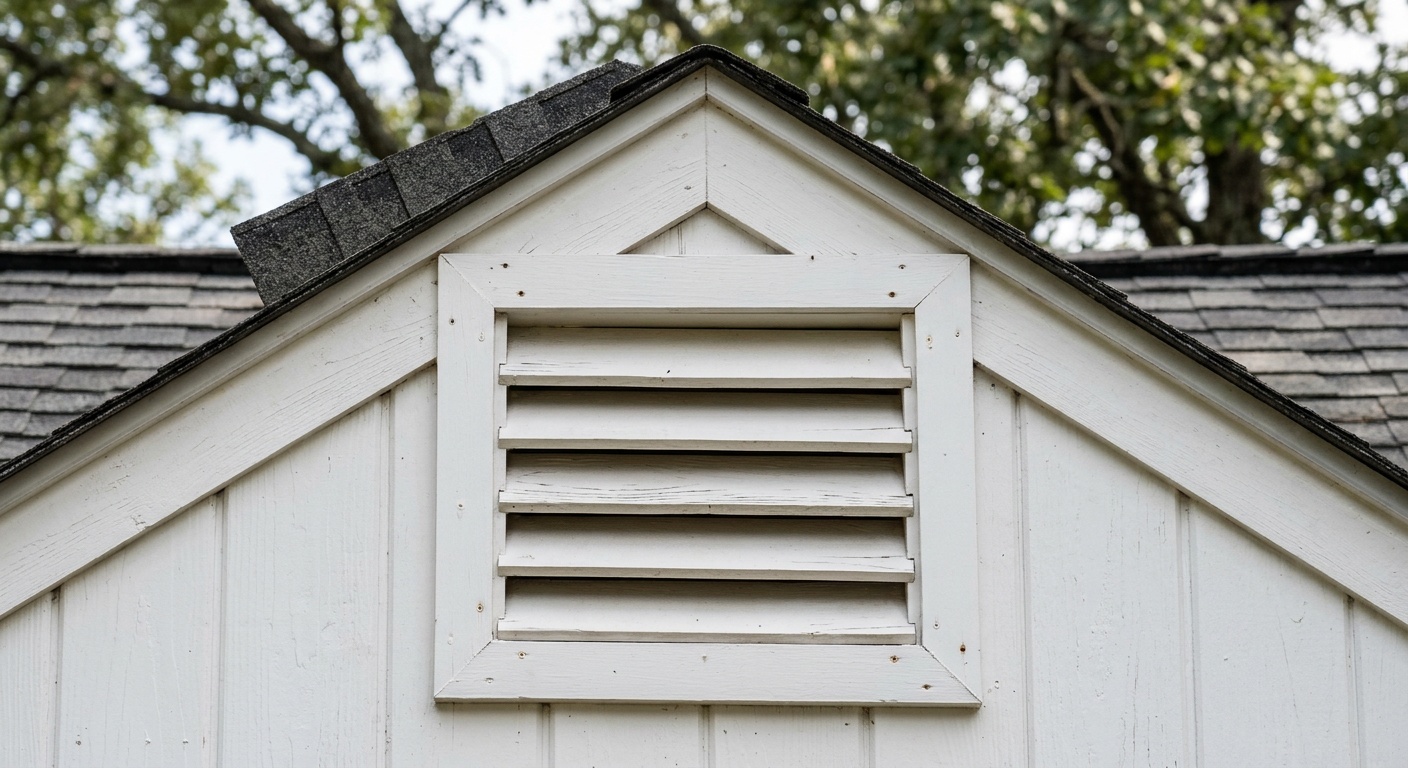
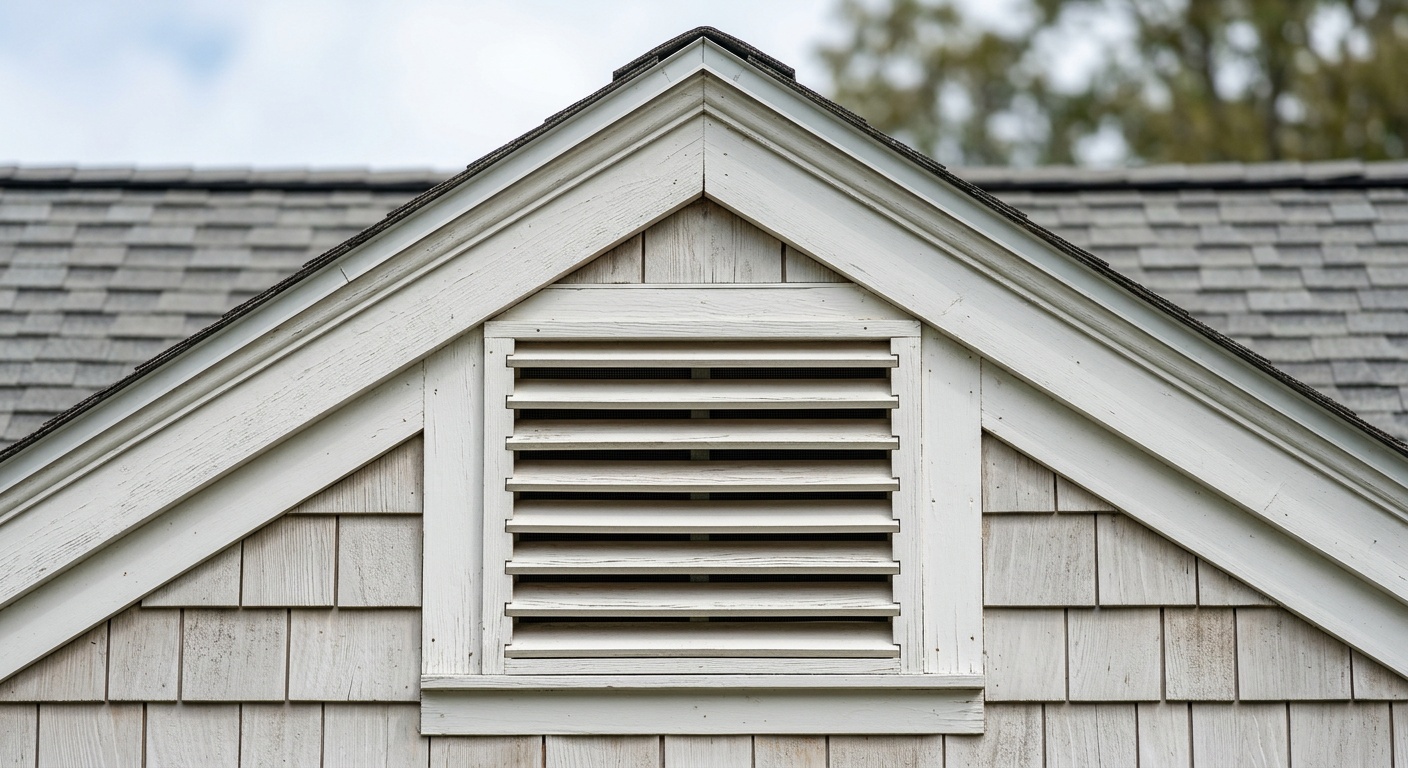
- Gable vents: A supplementary option, though they function primarily as cross-ventilation rather than the more effective bottom-to-top stack effect of soffit-ridge systems. Useful as an addition but rarely sufficient as the sole ventilation strategy.
Frequently Asked Questions
How do I know if my attic has enough ventilation without hiring an inspector?
You can perform a reasonable self-assessment using the 1:150 rule: calculate your attic floor area in square feet, divide by 150, and you have the minimum net free ventilation area (in square feet) your attic needs — split roughly equally between intake (soffit) and exhaust (ridge or gable). For example, a 1,200-square-foot attic needs at least 8 square feet of net free vent area total. Additionally, check your attic temperature on a hot day: anything more than 15–20°F above outdoor ambient temperature suggests inadequate ventilation. A digital thermometer, a tape measure, and 30 minutes are all you need for a credible initial assessment.
Can too much attic ventilation be a problem?
Yes — though it’s far less common than under-ventilation. Excessive ventilation or, more precisely, imbalanced ventilation (where exhaust area significantly outpaces intake area) can actually create negative pressure in the attic. This draws conditioned air up from your living spaces through ceiling cracks and penetrations — essentially pulling your expensive heated or cooled air into the attic and out of the home, raising energy costs. It can also reverse the flow through lower exhaust vents during wind events, introducing rain or exterior air in unintended ways. The key principle is always balance: roughly equal intake and exhaust net free area, with slightly more intake than exhaust as a safe margin.
My home is newer (built after 2010) — do I still need to worry about attic ventilation?
Absolutely. Modern building codes have improved minimum ventilation requirements significantly, but newer homes face their own set of challenges. Spray foam insulation, which has become extremely popular since 2010, can inadvertently seal off soffit vent pathways if not carefully applied. Energy-efficient building envelopes that minimize air infiltration can also mean less incidental “accidental” ventilation — making proper designed ventilation even more critical. Furthermore, solar panel installations (now on approximately 4.5 million U.S. homes as of early 2026) can reduce roof ventilation effectiveness by altering airflow patterns over the roof surface. A ventilation audit is a worthwhile investment for any home, regardless of age.
Your Attic Health Action Plan: Don’t Wait for the Damage to Find You
The clearest insight from everything we’ve covered? Attic ventilation problems are almost always progressive. A small moisture issue today becomes a mold colony in six months. A partially blocked soffit vent this spring becomes $12,000 in ice dam damage next February. The good news — and it genuinely is good news — is that catching these problems early is inexpensive and straightforward.
Here’s your practical, five-step action plan to implement immediately:
- Schedule an attic inspection within the next 30 days. Add it to your calendar right now. Don’t wait for a visible symptom to force your hand.
- Photograph what you find. Document the condition of your insulation, rafters, vents, and any staining or moisture evidence. This creates a baseline and is invaluable for contractor conversations or insurance claims.
- Clear and verify soffit vent accessibility. This single step prevents the most common ventilation failure mode and costs nothing but 20 minutes and a flashlight.
- Get at least two professional quotes if you identify a problem. Ventilation upgrade costs vary significantly between contractors. The average professionally installed ridge-and-soffit ventilation upgrade for a standard home runs $800–$2,500 in 2026 — a fraction of the damage repair costs it prevents.
- Revisit annually. Make attic ventilation assessment part of your annual home maintenance cycle, ideally in early spring to assess winter damage and late spring to prepare for summer heat.
As climate patterns continue to push residential building systems to their design limits, the homes that withstand the next decade of extreme temperatures, intense moisture cycles, and rising energy costs will be those whose owners understood the invisible infrastructure above their heads — and took action before the damage spoke for itself.
The question worth sitting with today: When was the last time you actually went up into your attic? If the answer is “I can’t remember” — that’s your first step, and it starts right now.